Fulbright & Academic Collaborations
An annual Fulbright Distinguished Lecture focusing on international affairs is held at one of three UK universities. It has featured luminaries in different fields, including Zeynep Tüfkçi, John Kerry, Devi Sridhar, David Miliband, Janet Napolitano, Lord Nicholas Stern, Anne-Marie Slaughter, Joseph Stiglitz, and others.
Small, supplemental Project Support grants for work in the humanities, arts, and qualitative social sciences constitutes the backbone of our exchange-based programming. In most cases, grantees submit a proposal after a few months in-country, to help them take advantage of unexpected opportunities and collaborations that arise on exchange.
Fulbright Distinguished Lecture
The annual Fulbright Distinguished Lecture features prominent figures in international relations and global affairs. It is co‐sponsored by the US‐UK Fulbright Commission, the Fulbright Association, Kings College London, the University of Edinburgh and Pembroke College and the Department of Politics and International Relations at Oxford. The lecture honors the life and work of Senator J. William Fulbright, who spent four years at Pembroke in Oxford, from 1924-28.

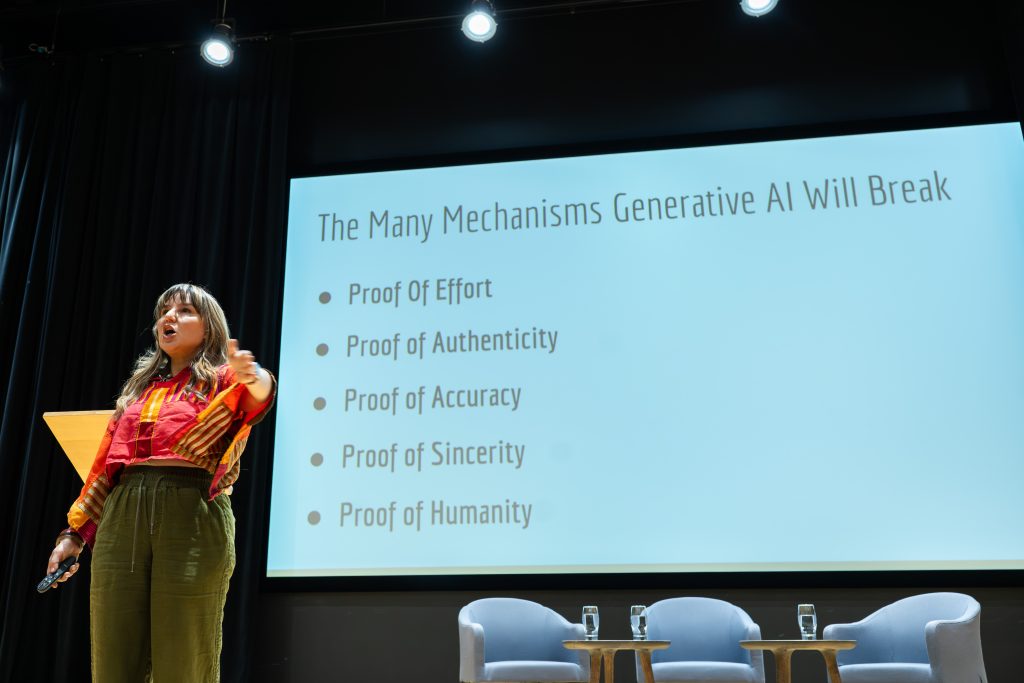
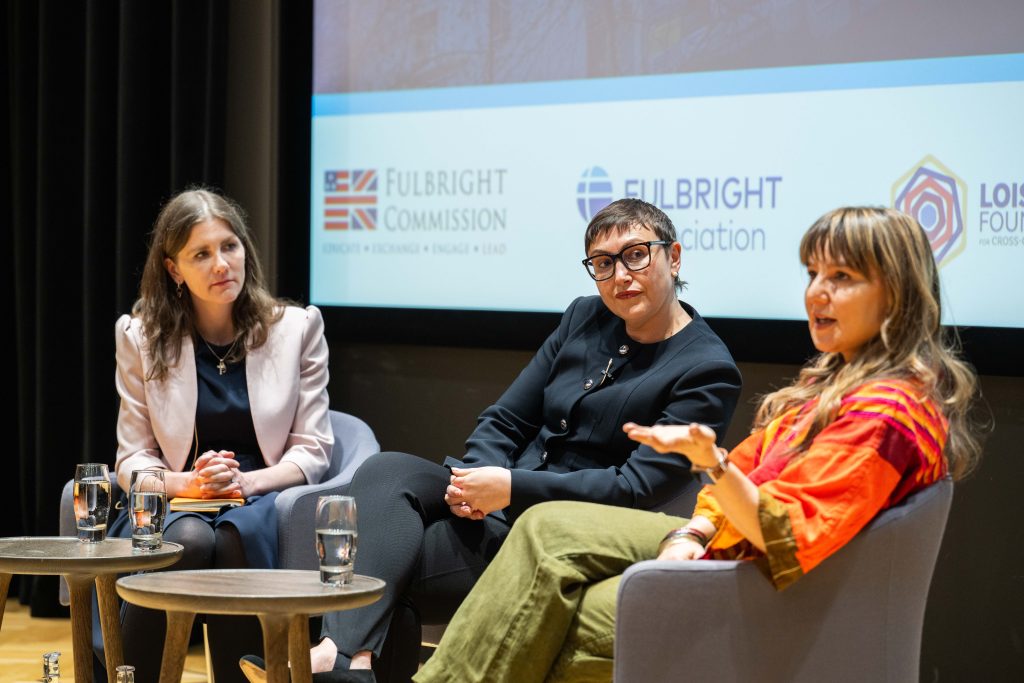
The 2026 lecture was given by Zeynep Tüfeçki, a renowned sociologist and Princeton professor, New York Times columnist, and leading voice on AI and social media ethics. Delivered to a full house at Kings College London (despite a Tube strike), her analysis diverges from environmental and economic doomsday rhetoric and instead looks at how AI is dismantling trust in the social fabric and systems we rely on. (View the lecture here and her TED Talks here.)
Asking “Are We Having the Wrong Nightmares About AI?,” Tüfeçki argued that we are facing AI with a mental schema that is dominated by past experience, just as we did with other technological transformations. We have understood AI as a replacement for human abilities and thought. Yet, generative AI technology does not formulate or process information in the same way humans do. Instead, AI works as a “plausibility engine.” As a result, the way generative AI processes and formulates answers is eroding the foundation of existing social systems that are based upon proof, not plausibility.
Tüfekçi laid out 5 types of proof that AI undermines: proof of effort, authenticity, accuracy, sincerity, and humanity. When generative AI creates deep-fake videos and false images, what evidence is reliable in court? When Chat GPT writes a professional-grade cover letter within the span of seconds, what procedures can confirm human effort and intention? These are the questions that Tüfekçi argues we should be worried about, slowing down research and ultimately create reactionary gatekeeping techniques, heighten distrust in our system of justice, and lead to increased bio-surveillance.
Following the lecture, a panel discussion with Tüfekçi, Professor Elena Simperi (of King’s Institute for Artificial Intelligence), and former MP Michelle Donelan debated Tüfeçki’s analysis and what can be done to curtail these existential challenges. The event ended with a reception, hosted by King’s for the participants and students, faculty, and other audience members.
Project Support
The Roth Foundation seeks to reinforce the service rendered by the International Fulbright Program and other exchanges by offering supplementary support for projects in the humanities, arts, and qualitative social sciences. Project Support assists students, scholars and artists in taking advantage of opportunities that deepen their international experiences and is awarded only in tandem with primary funding agencies. As of 2026, 3 grants are earmarked for international and up to 10 for US grantees.
International Grantees
Ecuador
In collaboration with Fulbright Ecuador.

Ecuadorian journalist Gabriela Pinasco Nájera is a documentarian and human rights activist. She received a 2026 Gallatin Global Fellowship in Human Rights and is pursuing a Master’s in Journalism at NYU. With a background in human rights journalism, she collaborated with members of the Ecuadorian Kichwa community to film a short documentary that will serve as her master’s thesis project and that recently screened at the 2026 NYU Documentary Film Festival. The film highlights the conservation work carried out by Kichwa communities, and reveals the real scale of environmental damage caused by mining, which is polluting rivers that serve as the only source of water for many Indigenous communities. Her Project Support grant will fund basic post-production processes, such as color grading, and distribution costs, including for international festivals that can help reach audiences across different countries and platforms.
Morocco
In collaboration with the Moroccan-American Commission for Educational and Cultural Exchange (MACECE).

Moroccan doctoral student Inass Esshrir was awarded the first grant of the Roth project- Inbound Support grant in 2025. Inass’s research focuses on Moroccan storytelling and the work of Paul Bowles, an influential American who lived in Morocco for many years, studying its music and storytelling traditions. Through archival research in the Bowles collection at the University of Delaware in Newark, she is exploring notes on his unpublished, as well as published translations and on his relationships with the storytellers with whom he worked. With this added textual and contextual information, Inass hopes to both expand our awareness of Moroccan storytelling and reshape the scholarly understanding of Bowles’s work.
New Zealand/Aotearoa
In collaboration with Fulbright New Zealand. The Winks Award honors the memory of Robin Winks—a founding board member of the Roth Foundation and Yale University history professor—and his New Zealander wife, Avril.
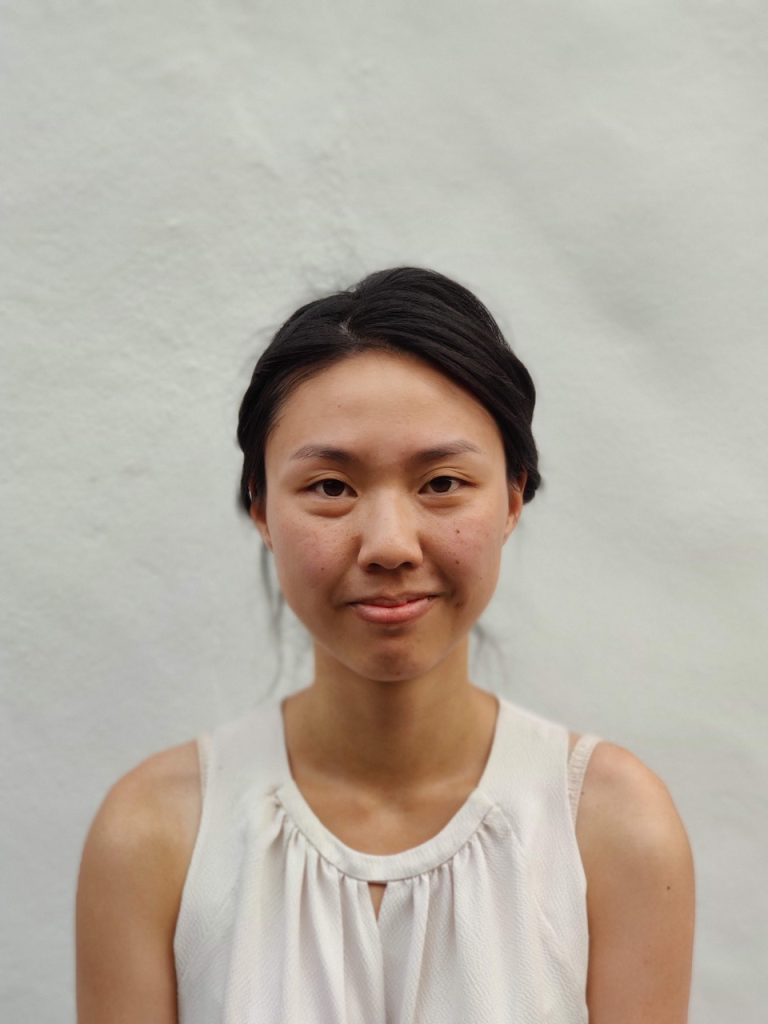
The 2026 award went to Amy Weng. A second generation, Chinese-New Zealander, she is committed to supporting emerging Asian Aotearoa artists through her research on Asian diaspora identities. At New York University, she is working on a comparative study of Asian American and Asian New Zealand art practices, with the goal of expanding curatorial methodologies and contemporary art narratives in Aotearoa. Her Project Support grant will assist in building partnerships with NYC galleries and museums, in order to present curated exhibitions of Asian diasporic experiences. Her long-term goals are to become a leader in the field and continue to support artists and contribute to public awareness of Asian identities through the arts.
US Grantees
Australia
In collaboration with Fulbright Australia.
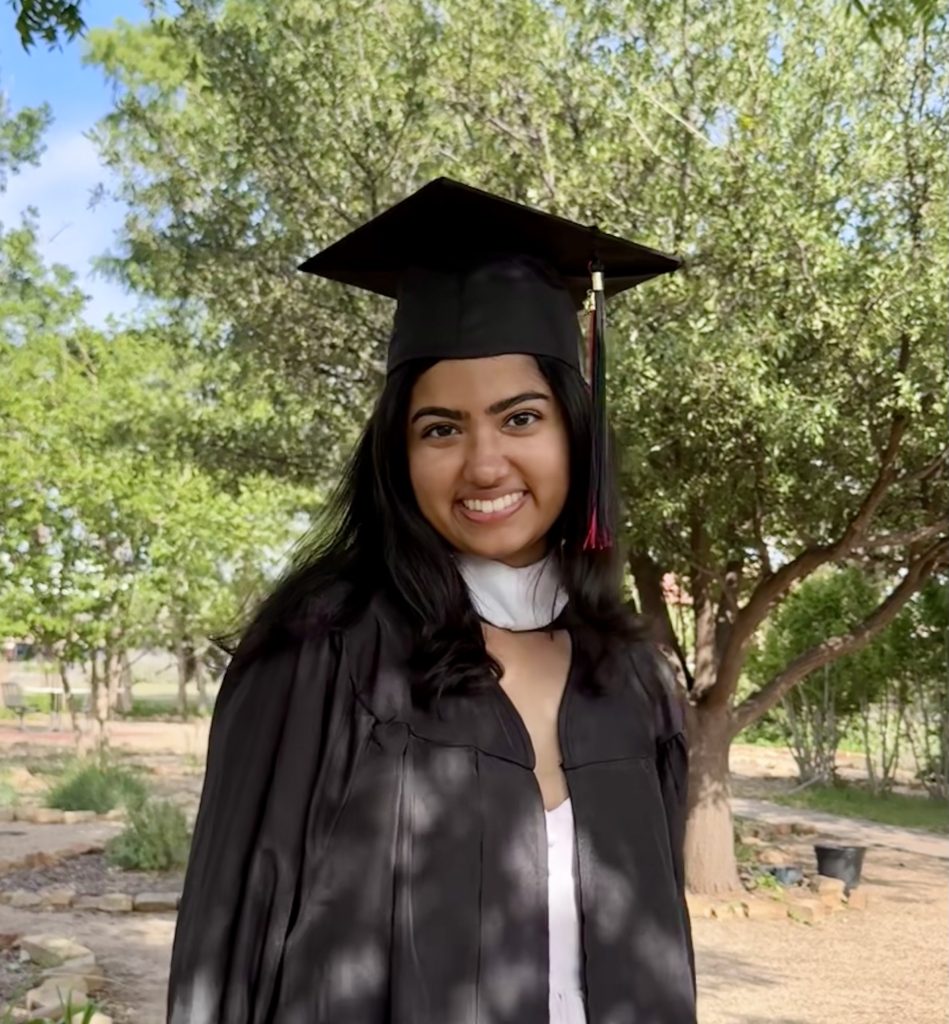
The 2025 award went to Malvika Narayan. Malvika’s research is rooted in dialogue—between clinicians and researchers, between institutions and public health systems, and between nations. A PhD candidate at Texas Tech University, in Australia she is affiliated with the University of the Sunshine Coast and is evaluating the Be Well Plan, an innovative anti-burnout intervention for mental health clinicians. Through running synchronized control trials in the US and Australia, Malvika is investigating how the same intervention can be used in a starkly different healthcare system.
Funds from the Roth Foundation will allow her to host a virtual symposium convening Australian and American stakeholders to share findings from parallel studies, reflect on cross-cultural insights, and strengthen binational strategies for improving mental health clinician wellbeing. Upon returning to the US, she intends to pilot the Be Well Plan at Texas Tech University and advocate for policies mitigating burnout with local governmental representatives.
Denmark
In collaboration with the American-Scandinavian Foundation. Instituted in honor of Lois Roth’s friend, Sonja Bungard-Nielsen, long-time director of the Danish American Foundation.
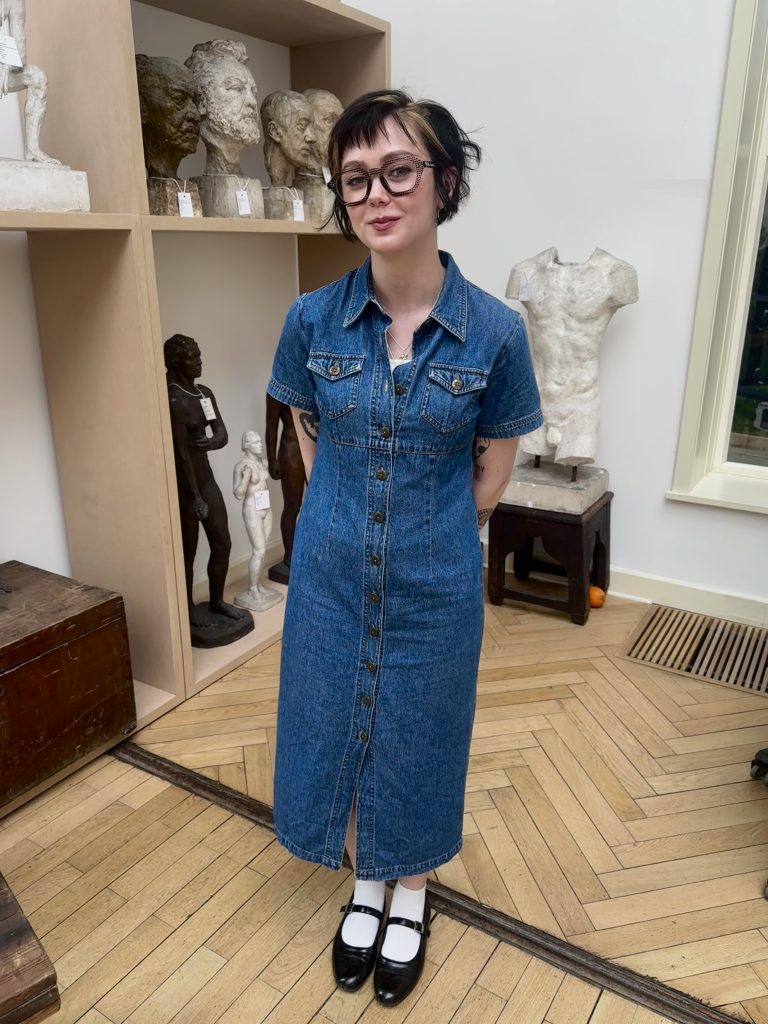
Exceptionally, two grants were awarded this year. The first went to Tatum Hartford for her work on two projects at Denmark’s National Gallery. A recent graduate of the Univ. of Toledo, she will work with the curatorial and education departments on a major reinstallation of the permanent collection that focuses on increasing the public appeal and accessibility of traditional art museums for new and underserved audiences.
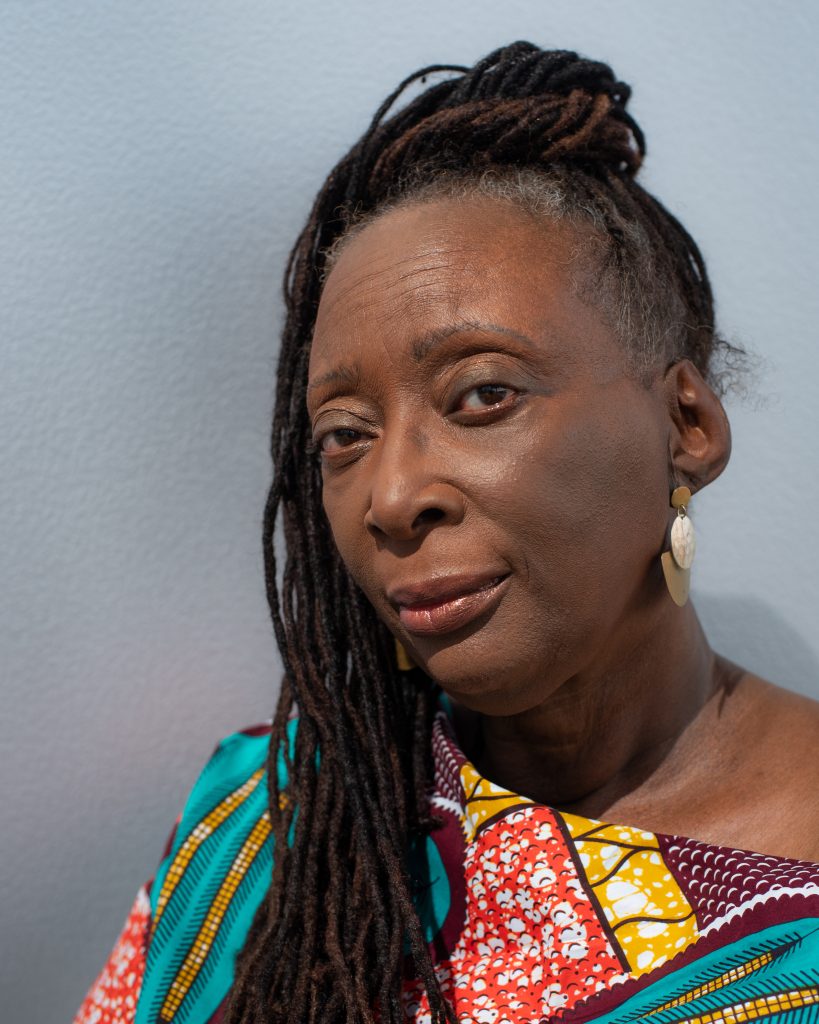
The second went to award-winning novelist Sandra Jackson-Opoku to conduct research for a historical novella on Emilia Regina and her son, Hans Jónatan, both enslaved in St. Croix and brought to Copenhagen in the late 18th century. As an adult, Hans joined the Danish Navy, fought with valor, sued for freedom in the courts, and (despite commendations from Crown Prince Regent, Frederick VI) lost his case; he then fled to Iceland, becoming the first Black man in that nation’s history. While Han’s place in the historical record is being documented, she is interested in fictionalizing Emilia, the mother left behind, who lived and died in Europe, far from her native land.
Ecuador
In collaboration with the Comisión Fulbright del Ecuador.

We are pleased to announce two recipients for 2026: Bethany Battafarano and Andrew Davies.
Bethany’s research focuses on the role of Kichwa music in preserving and transmitting ecological knowledge in the Amazon rainforest. Her project, Music for the Amazon Rainforest: Ecuadorian Kichwa Musicians Conserve Ecological Knowledge, explores how traditional music carries knowledge about the environment and the cultural roles of Kichwa women. Funding for this project supported her field research and community engagement with Kichwa musicians and organizations in Napo, including the Napo Kichwa Artists Association (ASARKIN) and the Napo Kichwa Midwives Association (Amupakin). As part of her community engagement, she will establish a multilingual community choir with ASARKIN, bringing together local participants to sing in Kichwa, Spanish, and English and creating opportunities for cultural exchange and intergenerational learning.
Andrew’s project, Advancing the Reforestation of Endangered Ecuadorian Magnolia Trees, uses population genetics to better understand genetic diversity among endangered Magnolia species and to inform more effective restoration efforts. Support from the Lois Roth Foundation funded field research and collaboration with Ecuadorian conservation partners, including Pontificia Universidad Católica del Ecuador (PUCE-Quito). His research will help establish living collections of endangered Magnolia species in Ecuadorian botanical gardens and establish whether current reforestation efforts are preserving genetic diversity. Through his research, Andrew is focused on strengthening international collaboration among conservation organizations and generating scientific data that can be directly applied to ongoing reforestation efforts.
Finland
In collaboration with the Fulbright Finland Foundation. Up to two Roth-Thomson Awards are funded by a generous gift from Ann O. Thomson, whom Lois referred to as her Swedish adoptive mother.

The 2026 award went to Emily Boyett. Growing up in a newspaper family in rural Illinois, Emily’s dedication to seek the truth led her to the world’s leading journalism school. Her continued commitment has motivated her research project to compare media literacy and trust in Finland and the U.S. Her grant will support her in pursuing a Master’s of Global Politics and Communication at the University of Helsinki, focusing on digital policy and communicating political differences. She then plans to pursue a JD/ Master’s of Public Policy dual degree in preparation for a career in public service and combatting digital extremism.
Morocco
In collaboration with the Moroccan-American Commission for Educational and Cultural Exchange (MACECE, Fulbright Morocco).
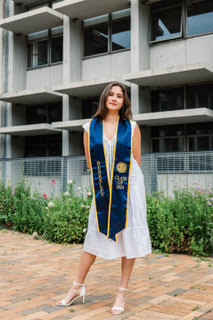
The 2026 grant went to Anouk Guilhaume-Levy, architecture student from the University of California–Berkeley, for her project on adapting traditional building techniques for modern architectural technology in post-disaster reconstruction. The funds will allow Anouk to photograph heritage sites in Morocco where reconstruction is underway and conduct interviews with the members of earthquake-affected communities and those involved in restoration. Her research will be made available to local communities and architects who combine traditional and modern techniques. Upon her return to the US, Anouk plans to pursue a graduate degree in material research and building sciences, applying her research on rammed-earth architecture techniques to modern built environments.
Norway
In collaboration with the U.S.-Norway Fulbright Foundation for Educational Exchange.

The 2026 award went to Ben Gusdal, for his research on how Norway navigates the tension between being both a major petroleum producer and a global climate leader. Using interviews, public conversations, scholarly analysis, and empirical data to investigate whether oil wealth obstructs or enables Norway’s climate ambitions, the project explores how policymakers and citizens view the relationship between the oil sector, welfare-state stability, and environmental goals. His grant will allow him to increase his regional fieldwork outside of Oslo, to capture geographic variation in petroleum governance, Indigenous perspectives, and community-level environmental and economic impacts. Upon his return, Ben plans to go to law school to work on renewable energy law and policy.
Sweden
In collaboration with Fulbright Sweden. Up to two Roth-Thomson Awards are funded by a generous gift from Ann O. Thomson, whom Lois referred to as her Swedish adoptive mother.

The 2026 award went to Alison Chan, for her research at the Karolinska Institutet on “how culture influences the way we interpret biological data, define progress, and assign meaning to illness.” Understanding disease often requires more than biochemistry alone. Her grant will allow her to combine patient-centered interviews, narrative documentation, and visual storytelling to examine how individuals living with Parkinson’s in Sweden experience diagnosis, treatment, and identity. By situating biomarker research within its broader social context, the project highlights that data are not culturally neutral: they gain meaning through language, ethics, and shared understanding.
Uruguay
In collaboration with the Comisión Fulbright Uruguay.

The 2025 award went to Juliana Merullo, a recent Brown University graduate, who is collaborating with Universidad de la República to document and collect voices and perspectives of Uruguayan cattle farmers in an oral history archive. She is exploring their experience of the current transition away from traditional cattle grazing in the face of recent government efforts to reduce greenhouse gas emissions. Hr grant will help her expand her online archive to publish interviews on Uruguayan radio stations and as US podcasts—“bringing,” as she notes, “more attention, within Uruguay and beyond, to the stories of these rural cattle farmers and their families, overcoming language barriers and cultural divides in the process.”
The Henry And Judith Millon Award
The Henry and Judith Millon Award helps support the residency of a foreign architectural historian at the Center for Advanced Study in the Visual Arts (CASVA), part of the National Gallery of Art in Washington, DC. The award is named after Henry Millon—Roth Foundation founding Roth Foundation Board member and CASVA founder‐director—and his wife, Judy.

We are grieved at the passing of Henry A. Millon in 2018. The program was on hiatus last year, but we look forward to starting up again, with renewed purpose, in 2019.