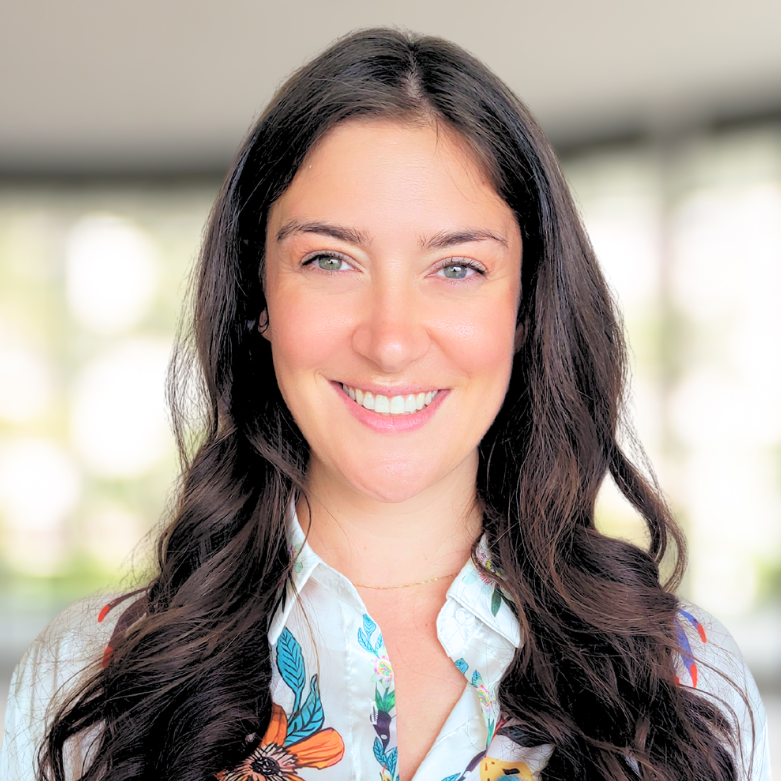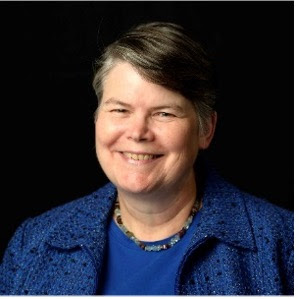
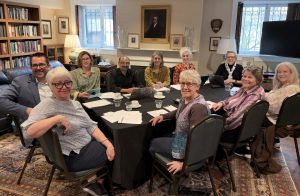
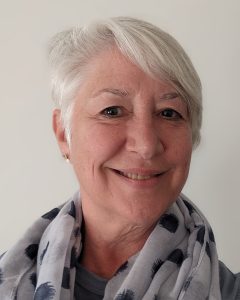
As we approach our 40th anniversary in 2027, we are excited to share that the Roth Foundation has been growing a lot in both our programs and our board. We thought it might be interesting for you to “meet” the current board members who make it all happen. Board Member Skyler Arndt‐Briggs’ interview kicks off a dedicated series of weekly Lois Letters.
Why do you believe the work of the Lois Roth Foundation is important?
The Roth Foundation represents fundamental aspects of my worldview and personal ethos. This is perhaps unsurprising, as I am the stepdaughter of Lois Roth and the daughter of LRF founder Dick Arndt, both noted US cultural diplomats. But my personal connection to international community and my love of the arts and humanities were already rooted in my mother, a French teacher of literature. By chance, all three of these key figures also earned grants to study abroad, thanks to the visionary post-WWII Fulbright program.
What drew you to serve on the Foundation board?
Lois and I were very close. Several years after her death, I wanted to get involved in how her memory was to be shaped. I joined the board and the selection committee for our Project Support grants in the mid-1990s. I am very grateful for the tutelage of the many exceptional people who served as board members over the years. Starting in the mid-2000s, I began getting involved in other aspects of running the Foundation and eventually became the chair when my father retired in 2014.
Does your work with the Foundation intersect with other things you work on? In what ways?
In my twenties, I decided that unravelling the flattened representations of good and evil, good guys and bad guys, to which the US is prone, was crucially important. This led me to focus my graduate work on Germany, where my research examined the relationship between identity and urban space based on the personal histories of people who had lived in a particular section of Berlin after WWI. As I conducted the interviews from 1987 through 1991, I unexpectedly had a front row seat for one of the period’s most intense realignments of perspective and reality, which I continued to explore while running an innovative research center on East German history and cinema at UMass Amherst.
Which of the Roth Foundation’s programs or awards do you most look forward to? Is there a specific program you work on?
My contributions to Roth Foundation programs primarily focus on Project Support and Literature and Translation. (Anne Barbaro and other former Foreign Service Officers on the board are much better equipped to handle our Cultural Diplomacy Awards!) I look forward to seeing what younger scholars and artists are working on and am inspired by their energy and creativity, as well as their knowledge. Closest to my heart, however, are the literary and scholarly works recognized by our publication and translation awards. I wish I had time to read more than just a selection of these!
What do you see as the most pressing issues the Roth Foundation can address moving forward?
Now, the need to fight for a nuanced, multi-perspective view of the world is just as, if not more important than ever. It is a crucial moment for us to support people who are working toward this end—to lift them up and make their work more visible. From a different quarter, it is also critical that we remind ourselves of the difference that a single person here, and a bit of support there can make in reaffirming the power of individual creativity and caring on a human scale. These are the struggles of our day and age, and we must take them up in all seriousness and urgency.